

 Walks
Walks Newsletter
 Gastro
The origins of goulash: myth and reality
The story of Hungary's best-known dish is more complex than you would think.
 Kovács Anna 5 min - 119 words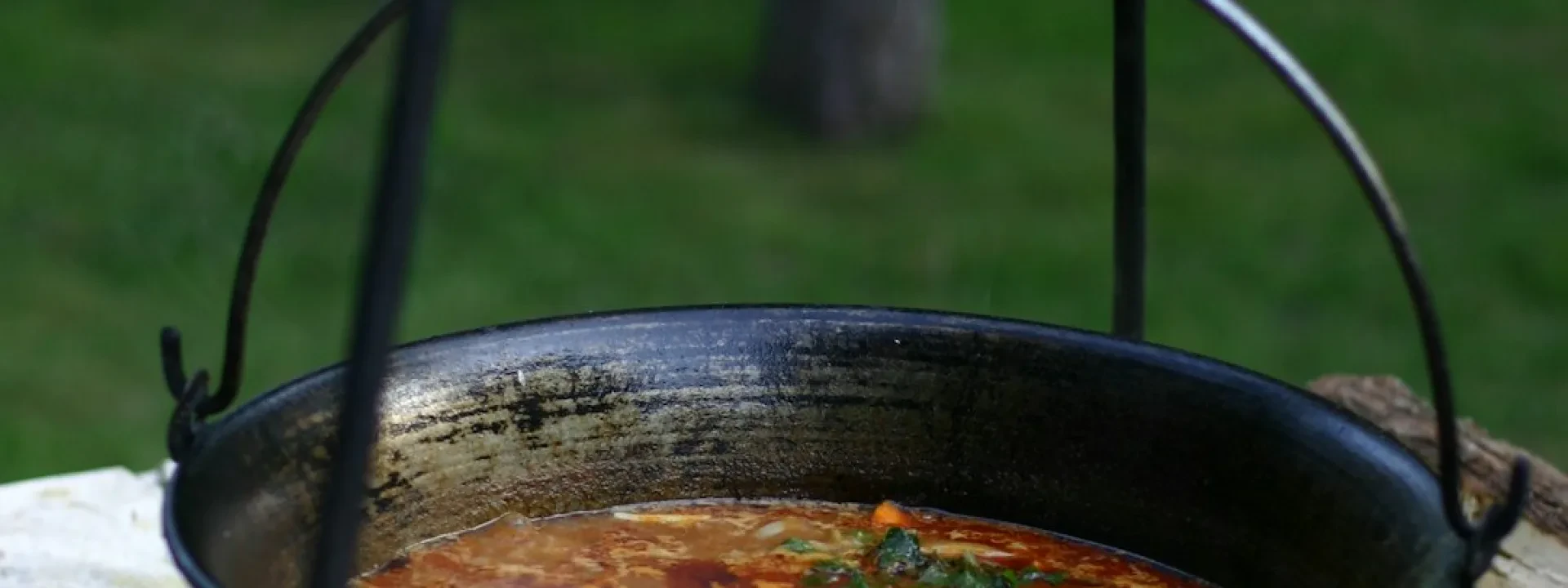
Why it matters
Goulash is not just a dish but a cultural symbol that defines the identity of Hungarian gastronomy worldwide.
Goulash is one of the oldest and most iconic dishes of Hungarian cuisine — but its journey from the herdsmen's cauldron to the fine-dining table is full of twists and misconceptions.
The name comes from "gulyás" (cattle herder): a meat-and-onion stew cooked in a cauldron by the herdsmen of the Great Plain, an everyday meal long before it became a national symbol.
Paprika only entered the dish in the 18th–19th century, turning it into the deep-red soup we know today — so the "authentic" recipe is younger than most assume.
In this article our experts trace the real history of goulash: where it came from, how it changed, and why it became one of the most important identity symbols of Hungarian gastronomy.
Kovács AnnaHistorian and writer who has researched Budapest's Habsburg-era past for over 15 years. Author of several books and articles, and a regular speaker on history-themed walks.

 Sport
Sport
 Books
Books Art
ArtSubscribe to our newsletter!
Every week we send our most interesting articles, events and recommendations.
Subscribe